Managing what we cannot control
What counts in ship management today?
As demand for LNG bunkering vessels grows, the industry faces a less visible challenge: finding and training the seafarers who can operate these highly specialised vessels safely and efficiently. A new case study developed jointly with SEA-LNG, a multi-sector industry coalition that promotes the use of liquefied natural gas as a marine fuel, explores BSM’s lessons learned from nearly a decade of LNG bunkering operations.
Published on 09 Nov 2026
The LNG bunkering market is entering a new phase of growth. As the number of LNG-fuelled vessels continues to increase, industry observers expect the global LNG bunker vessel fleet to expand significantly over the coming years. But building more vessels is only part of the equation. The industry also needs qualified seafarers capable of operating them. Bernhard Schulte Shipmanagement (BSM) had to face this challenge at an early stage.
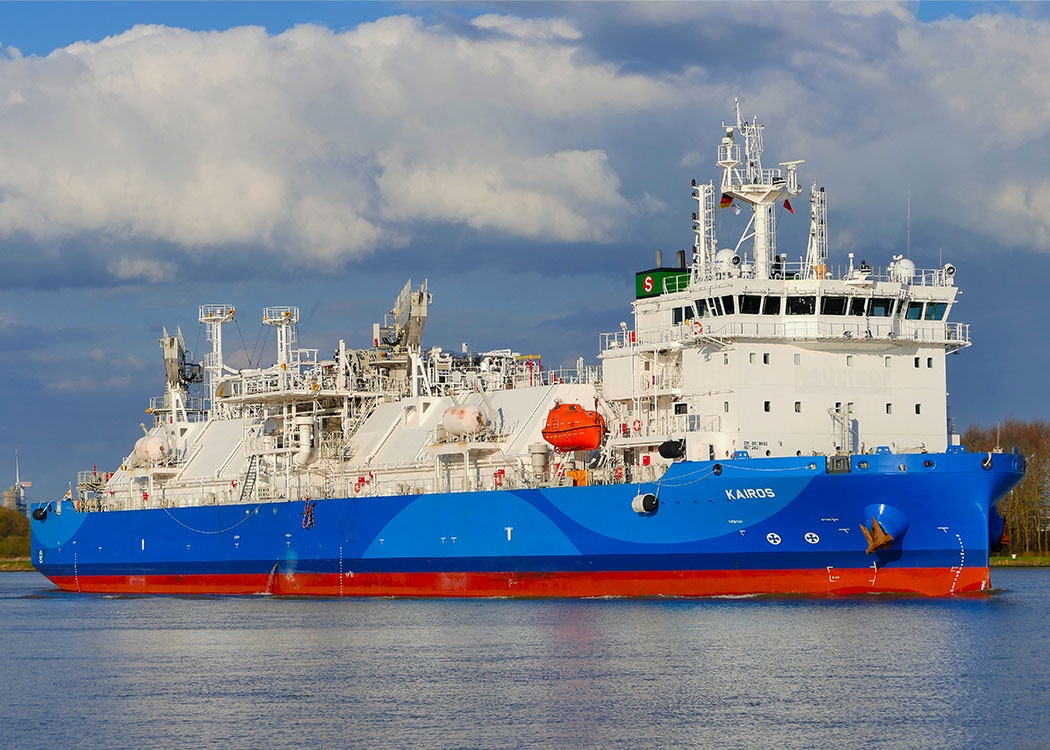
Already in 2018, BSM took over the management of its first LNG bunker vessel, “Kairos”, one of the world's first purpose-built LNG bunkering vessels. At the time, the LNG bunkering sector was still in its infancy. There were no established training pathways, limited operational experience in the market, and very few seafarers with direct LNG bunkering expertise. Rather than waiting for standards to emerge, BSM developed its own approach.
A new case study published by SEA-LNG examines how BSM built the competence needed to operate LNG bunker vessels safely from day one and how those lessons remain relevant as the sector continues to grow. The study draws on BSM’s operational experience and highlights the importance of practical, vessel-specific training, crew development and retention.
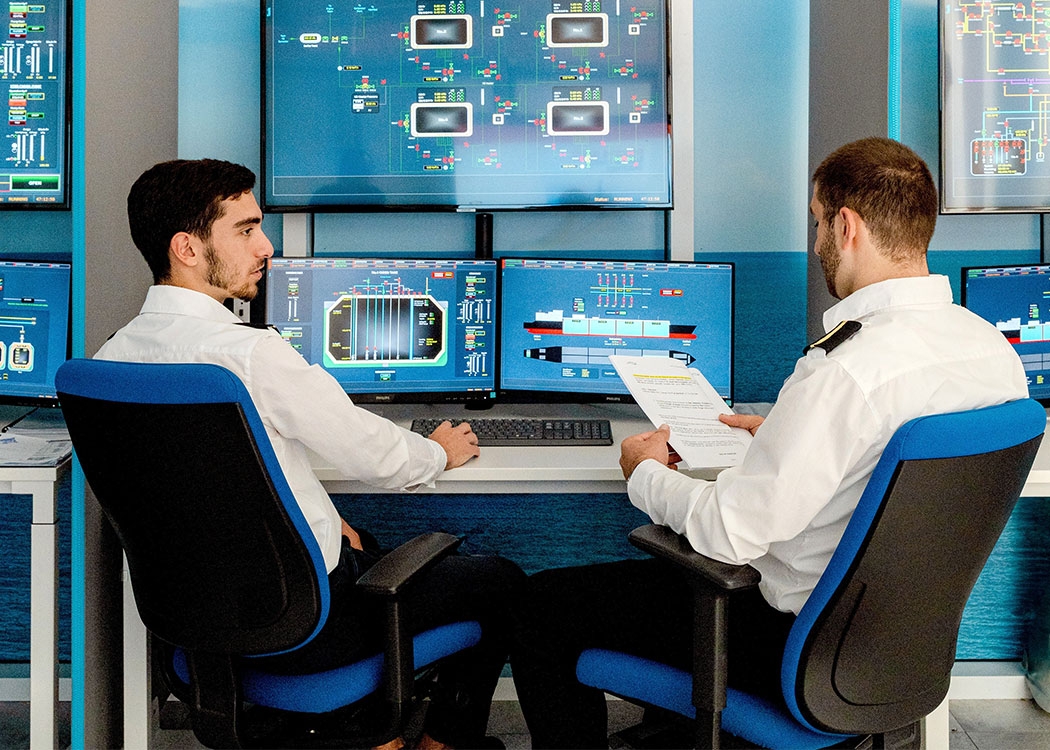
One of the key findings is that LNG bunkering requires skills beyond traditional gas carrier operations. While BSM succeeded in transitioning experienced seafarers from LPG vessels through a dedicated bridging programme for LNG bunkering vessels, ship handling proved to be an unexpected challenge.
LNG bunker vessels operate in confined harbour environments and conduct frequent ship-to-ship transfers, requiring highly specialised manoeuvring skills. To address this, BSM developed dedicated training programmes and operational guidance based on experience from both LNG and offshore vessel management.
The case study also highlights another critical factor: crew stability. LNG bunkering vessels operate at an intensive pace, with frequent bunkering operations within confined waters. Retaining experienced officers and building long-term teams has therefore become a key contributor to safe and efficient operations.
Today, BSM manages more than 80 LNG vessels, including five LNG bunkering vessels, and around 60 LNG dual-fuel ships, supported by dedicated LNG expertise, specialised training capabilities and a growing LNG bunker vessel crew pool.
As alternative fuels gain traction across shipping, the lessons learned from LNG bunkering offer valuable guidance for the wider maritime industry. While technologies may evolve, one principle remains unchanged: the success of any new fuel ultimately depends on the people who operate it.
The complete SEA-LNG case study, Crewing LNG Bunkering Operations: Learnings and Opportunities from BSM's MV Kairos, is available here.
What counts in ship management today?
What do the world’s first ammonia bunkering vessel and luxury yachts have in common? They are all part of BSM’s growth story and it goes well beyond 700 managed vessels.
By Fabian Reimers, BSM Group Commercial Director

09 Nov 2026 - BSM Highlights
BSM’s Chief Digital Officer Sankar Ragavan on AI, human judgement and why the industry's biggest challenge is learning to work with technology rather than simply adopting it.
09 Nov 2026 - BSM Highlights
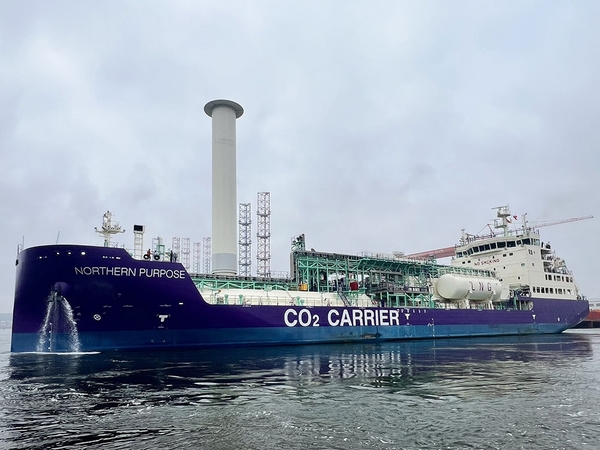
After several years of planning, construction and preparation, BSM’s first managed LCO₂ carrier, “Northern Purpose”, has entered service. Having successfully completed her first cargo operations, the pioneering vessel is now connecting European industrial emitters with permanent CO₂ storage in Norway.
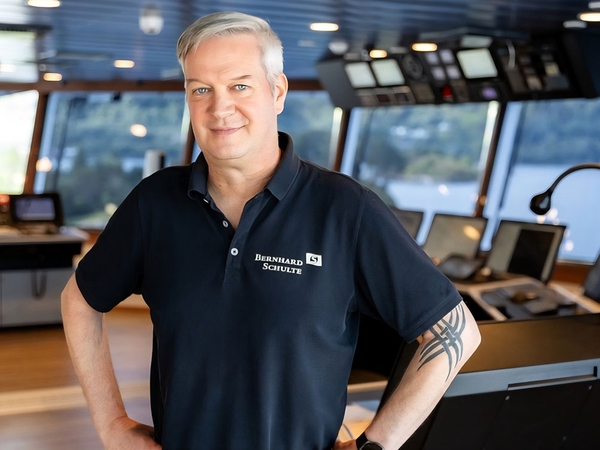
From shipyard to offshore operations: Over the past few months, BSM has taken over the management of four new-build Commissioning Service Operation Vessels (CSOVs) of the latest generation. One of those who played a key role in bringing all four sister vessels into service, is Captain Rainer Müller.
09 Nov 2026 - BSM Highlights
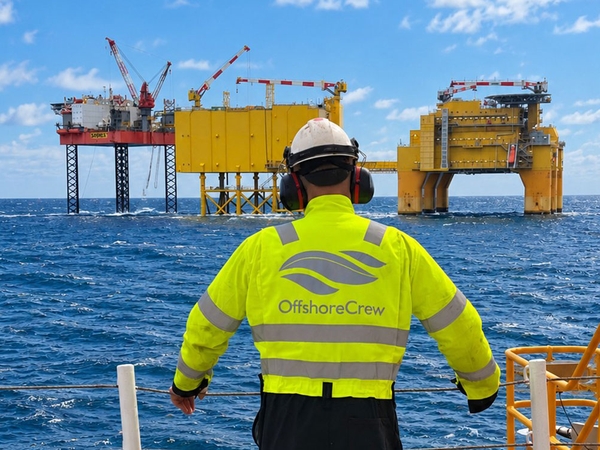
Bernhard Schulte Shipmanagement (BSM) has agreed to acquire a 50% stake in OffshoreCrew AS, a Norwegian specialist in offshore recruitment and crewing solutions. The investment further strengthens BSM’s service offering for customers in the offshore and maritime sectors.