Managing what we cannot control
What counts in ship management today?
After several years of planning, construction and preparation, BSM’s first managed LCO₂ carrier, “Northern Purpose”, has entered service. Having successfully completed her first cargo operations, the pioneering vessel is now connecting European industrial emitters with permanent CO₂ storage in Norway.
Published on 09 Nov 2026
When the Schulte Group ordered its first liquefied carbon dioxide (LCO₂) carrier in December 2023, it was entering largely uncharted waters. At the time, carbon capture and storage (CCS) was widely regarded as an emerging climate solution with significant potential, but the transport infrastructure required to make large-scale CCS projects viable was still being developed. The vessel that would later become “Northern Purpose” was conceived to help bridge that gap. Less than three years later, that vision has become reality.
Following her christening in China and take-over by BSM into management, “Northern Purpose” has completed her maiden voyage from Asia to Northern Europe and successfully carried out her first cargo operations under the charter of Northern Lights. The vessel is transporting liquefied CO₂ from industrial emitters in Europe to Norway, where the carbon dioxide is permanently stored deep beneath the seabed as part of the world's first cross-border CO₂ transport and storage infrastructure.
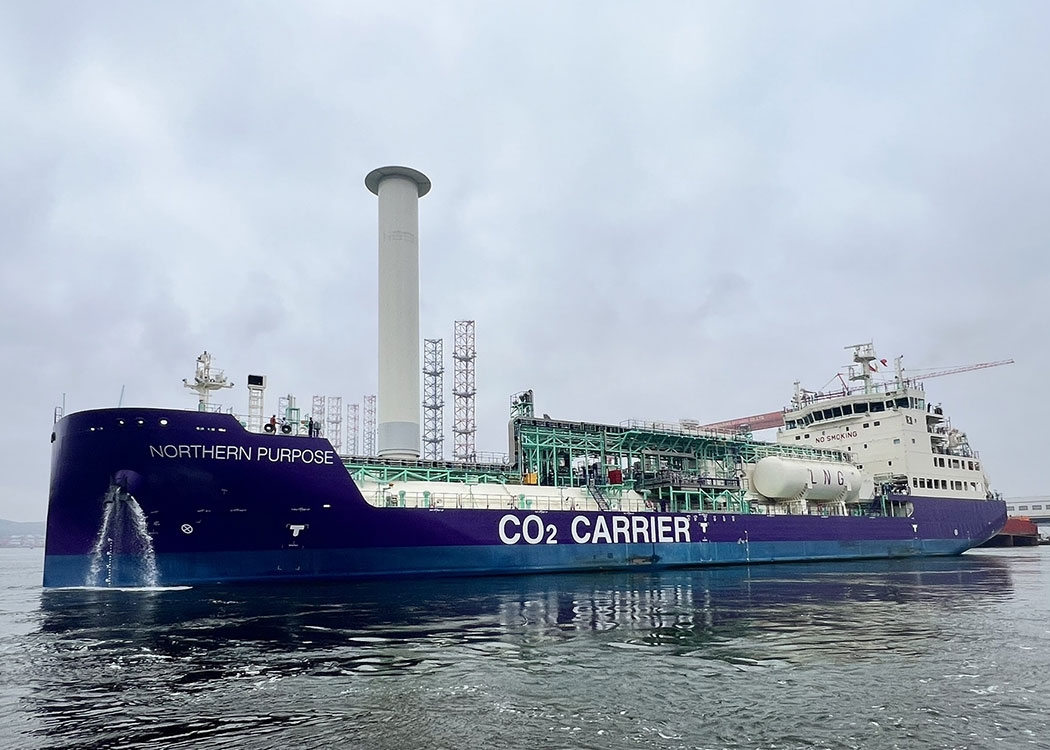
The successful commencement of operations marks the end of a journey that has involved close cooperation across the Schulte Group and beyond. Since the vessel was ordered, specialists from Bernhard Schulte, Bernhard Schulte Shipmanagement, Schulte Marine Concept (S.M.C.) and the Maritime Energy Centre (MEC) have worked alongside Northern Lights and the shipyard to develop a vessel capable of meeting the unique requirements of large-scale CO₂ transportation.
From plan approval and supervising construction to establishing operating procedures and preparing crews, the project required expertise from a wide range of disciplines. As one of only four LCO₂ carriers of this type currently in service worldwide, “Northern Purpose” introduced technical and operational challenges for which there was little industry experience to draw upon.
For BSM, the project represented the company's entry into a new and highly specialised shipping segment. Drawing on decades of experience in gas carrier management, BSM developed additional competencies, training programmes and operational processes to support the safe management of this pioneering vessel type.
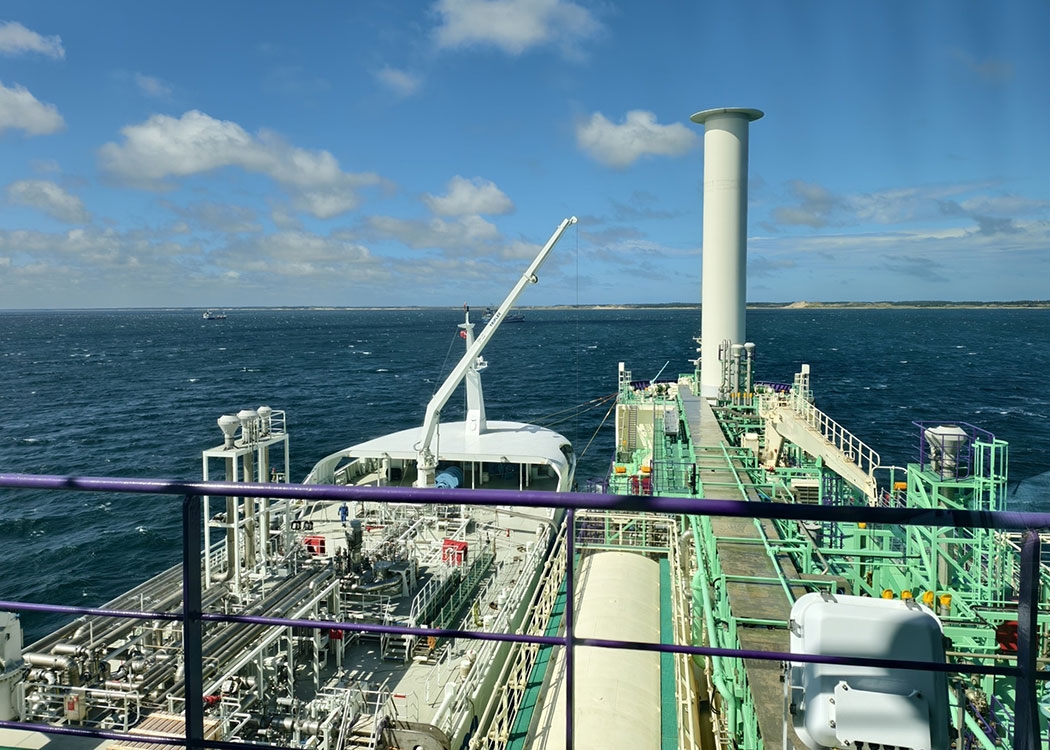
Furthermore, the “Northern Purpose” is the first ship in BSM management to have a wind-assisted rotor sail that uses wind power to help propel the vessel and reduce fuel consumption and carbon compliance costs. The number of ships equipped with wind assisted propulsion systems (WAPS) is still quite small, at just over 100, but it is developing rapidly. According to International Windship Association (IWSA), the number has increased fivefold in recent years.
While carbon capture technologies often attract most of the public attention, the transportation of captured CO₂ is an equally critical component of the CCS value chain. Industrial emitters can only benefit from carbon storage if there is a safe and reliable way to move captured CO₂ from production sites to storage locations. Purpose-built carriers such as “Northern Purpose” provide that connection, enabling cross-border movement of liquefied CO₂ at scale.
Northern Lights is developing the infrastructure needed to transport, receive and permanently store CO₂ from customers across Europe. By entering service, “Northern Purpose” is now helping to transform that infrastructure from a concept into an operational reality.
For Schulte Group, “Northern Purpose” demonstrates how the maritime industry can support the decarbonisation of hard-to-abate sectors while creating entirely new opportunities for specialised shipping. It also highlights the value of long-term investment in technical expertise and crew competence.
What counts in ship management today?
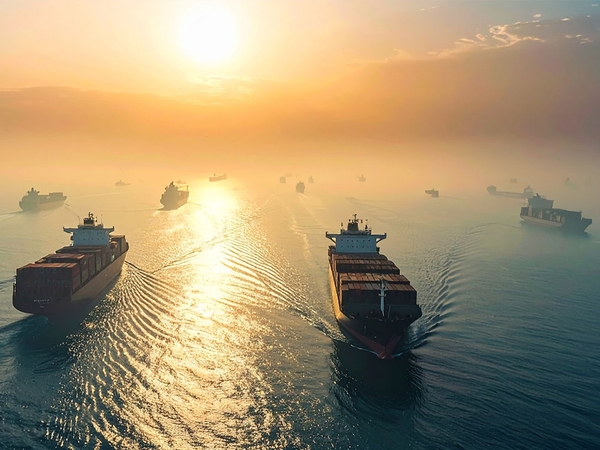
What do the world’s first ammonia bunkering vessel and luxury yachts have in common? They are all part of BSM’s growth story and it goes well beyond 700 managed vessels.
By Fabian Reimers, BSM Group Commercial Director

09 Nov 2026 - BSM Highlights
BSM’s Chief Digital Officer Sankar Ragavan on AI, human judgement and why the industry's biggest challenge is learning to work with technology rather than simply adopting it.
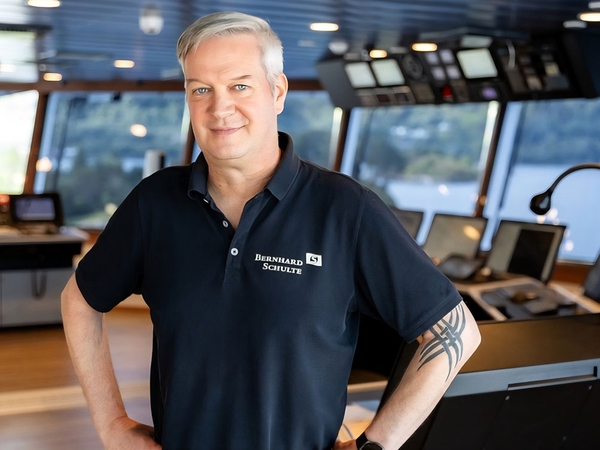
From shipyard to offshore operations: Over the past few months, BSM has taken over the management of four new-build Commissioning Service Operation Vessels (CSOVs) of the latest generation. One of those who played a key role in bringing all four sister vessels into service, is Captain Rainer Müller.
09 Nov 2026 - BSM Highlights
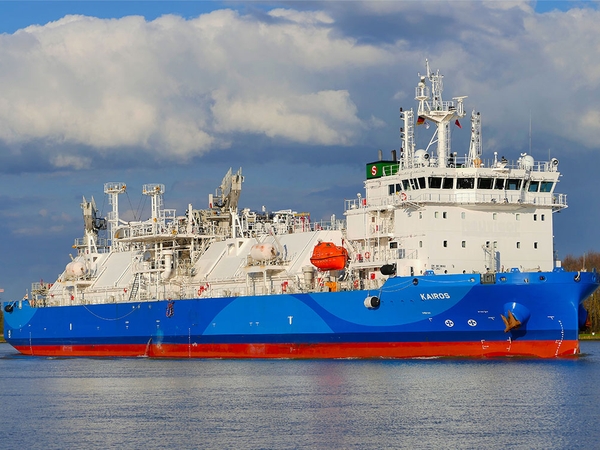
As demand for LNG bunkering vessels grows, the industry faces a less visible challenge: finding and training the seafarers who can operate these highly specialised vessels safely and efficiently. A new case study developed jointly with SEA-LNG, a multi-sector industry coalition that promotes the use of liquefied natural gas as a marine fuel, explores BSM’s lessons learned from nearly a decade of LNG bunkering operations.
09 Nov 2026 - BSM Highlights
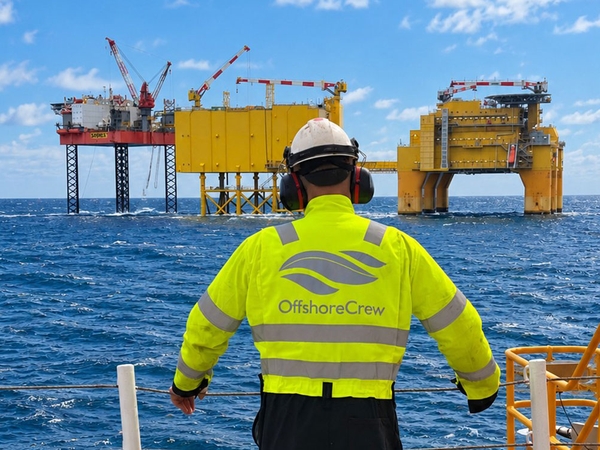
Bernhard Schulte Shipmanagement (BSM) has agreed to acquire a 50% stake in OffshoreCrew AS, a Norwegian specialist in offshore recruitment and crewing solutions. The investment further strengthens BSM’s service offering for customers in the offshore and maritime sectors.