BSM’s Cadet Programme has long been recognised as a structured and comprehensive pathway for young people entering a career at sea. What is evolving now is the way cadets are supported throughout that journey. The programme reflects a fundamental shift in mindset: moving away from a model centred on oversight and compliance, towards one rooted in guidance, encouragement and personal development.

Developing future officers

“Cadets don’t just need to be assessed; they need to be guided,” says Eva Rodriguez, Group Director – Marine People Development & Welfare at BSM. “Our goal is to instil passion, confidence and competence so that our cadets grow into resilient junior officers who feel supported from day one.”

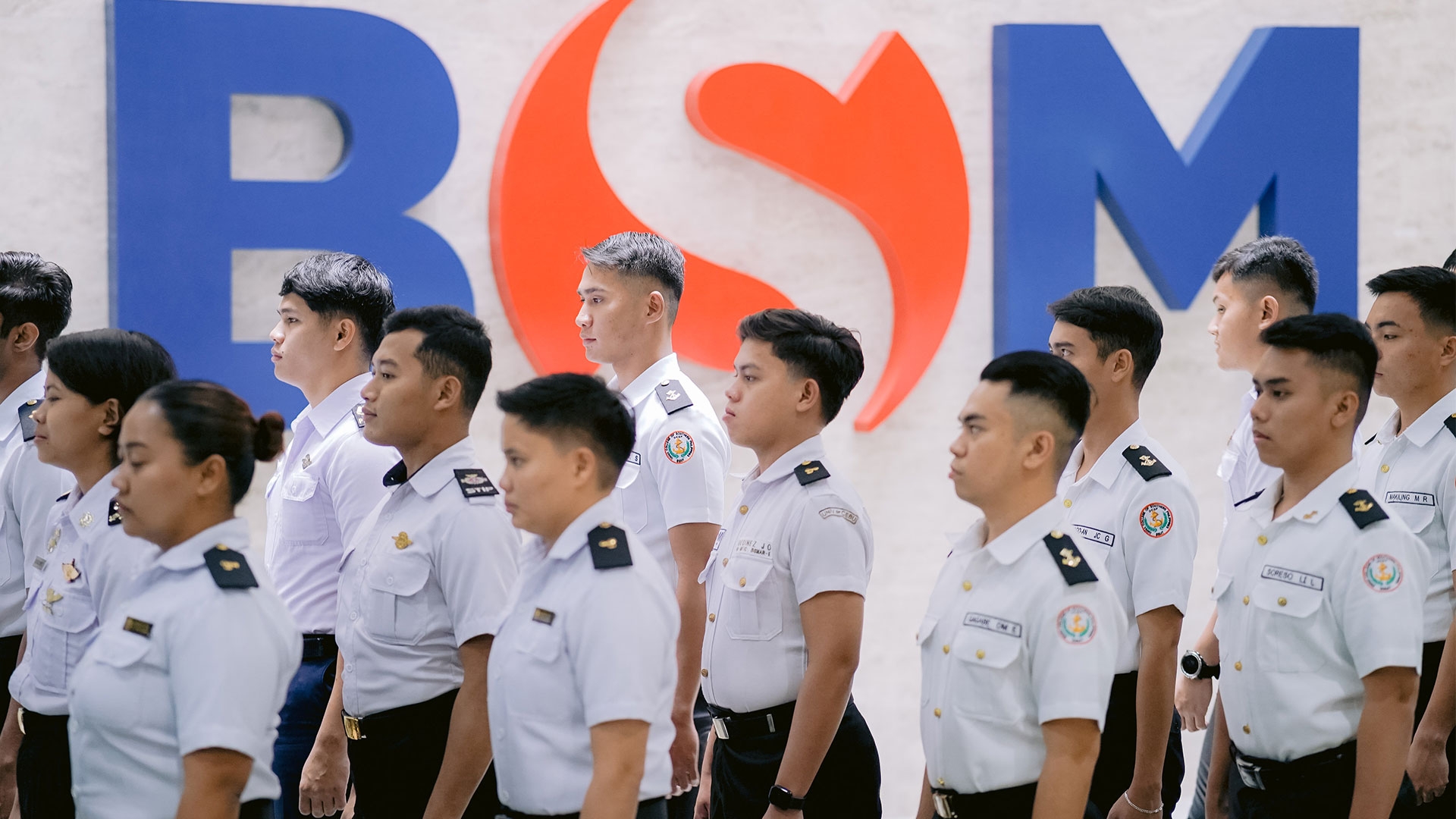
From recruitment through to qualification as junior officers, cadets benefit from a clearly defined training structure combined with hands‑on experience onboard and ashore. By investing in developing cadets, the company ensures a consistent learning environment in which expectations are clear and standards are aligned globally.

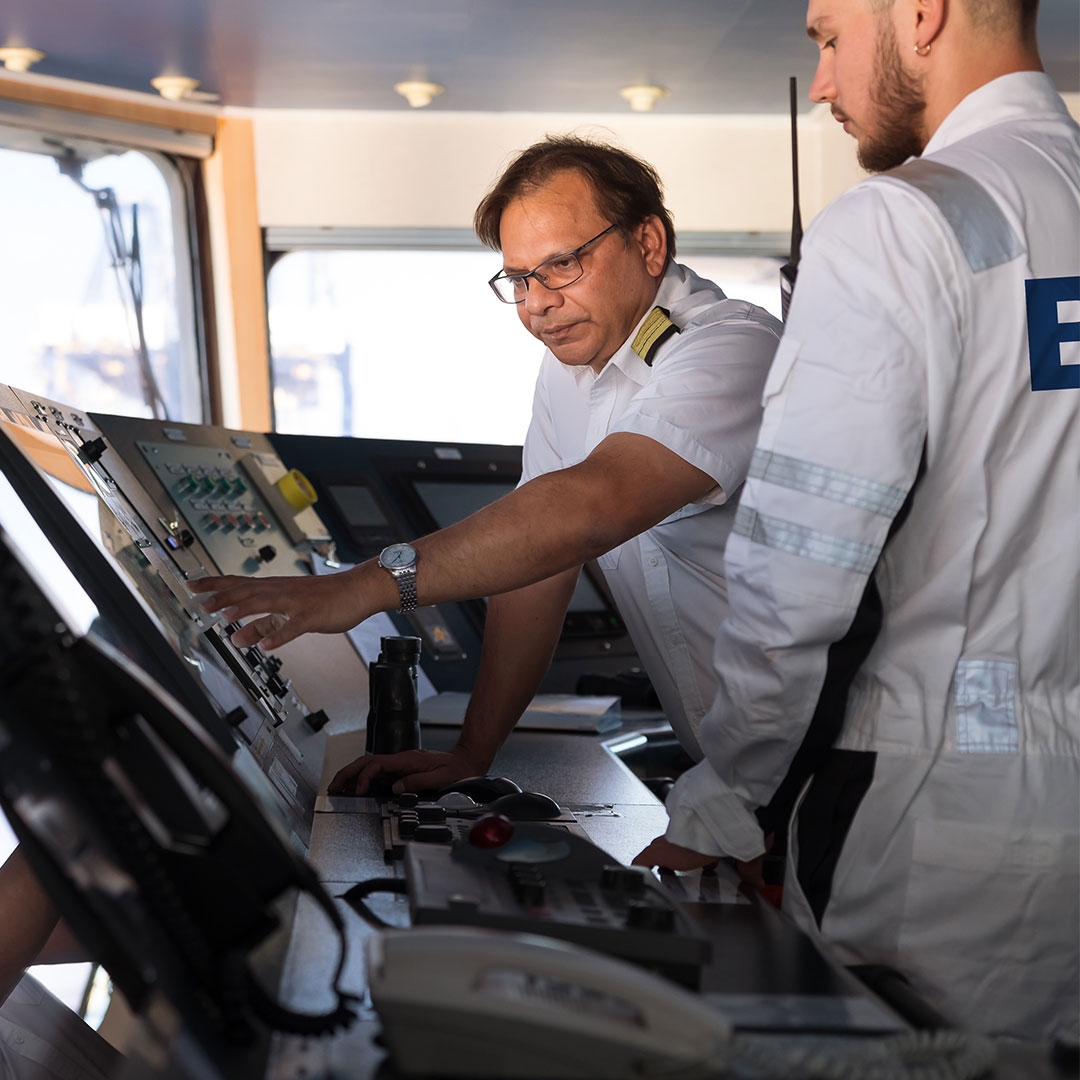
Crucially, this approach also enables early identification of learning gaps, whether technical, practical or behavioural, so they can be addressed constructively and in a timely manner. “It’s about relationships; mentors share knowledge and experience with their mentees and support their personal and professional development,” Eva Rodriguez explains. “We want cadets to feel confident asking questions and learning from their experiences, not anxious about being monitored.”

The power of mentoring

At the heart of this evolution lies BSM’s mentoring philosophy, structured around four guiding principles known as the 4Cs: Connection, Clarity, Compassion and Commitment.

Connection helps cadets feel part of the BSM family, building trust‑based relationships with mentors both onboard and ashore. Clarity provides transparent expectations, learning objectives and feedback, enabling cadets to understand not just what is expected, but why it matters. Compassion recognises that learning curves differ, especially in a demanding, multicultural and safety‑critical environment. Commitment reflects BSM’s long‑term investment in its people, from cadetship through to junior officer and beyond.

This framework underpins BSM’s Cadet Mentoring Tool, which facilitates structured, meaningful interactions between cadets and their mentors while keeping the focus firmly on development. By empowering cadets in this way, the programme supports both professional and personal growth.

“Effective mentoring isn’t about ticking boxes,” Rodriguez notes. “It’s about listening, guiding and creating the conditions where young seafarers can grow into capable leaders.”
Investing in people for long‑term value

The shift from monitoring to mentoring is also a strategic investment in fleet performance and long‑term value creation for BSM’s owner clients. Cadets who are guided consistently and supported through structured mentoring arrive on board better prepared, more confident and more safety‑aware. Stronger pre‑sea preparation and clearer development pathways accelerate competence building and enable faster, more reliable career progression.

For shipowners, the benefits are tangible. A sustainable cadet pipeline helps optimise return on investment by lowering operational expenditure through fewer incidents, reduced off‑hire days and more efficient crew development. At the same time, BSM’s globally diverse cadet intake strengthens resilience across crewing strategies, reducing dependency on single sourcing regions and mitigating geopolitical risk. Combined with high retention rates driven by a strong sense of belonging, this creates continuity, stability and long‑term competence across the fleet.

As Rodriguez concludes: “Our cadet programme is about more than training. It’s about shaping confident professionals who are ready to take responsibility, embrace change and grow with BSM and our owner partners throughout their careers. Ultimately, it’s about building a sustainable, highly skilled workforce that delivers safer operations, stronger performance and long-term value for our clients.”

RELATED BSM Highlights

From conflict to clean: decarbonisation under pressure

While global attention is fixed on the conflict in the Middle East, supply chain disruption and broader geopolitical volatility, shipping’s long-term decarbonisation challenge has not faded into the background. If anything, the current environment is reinforcing its urgency. At BSM, the view is clear: the agenda itself has not changed, but the forces shaping it are becoming more immediate and tangible.

Smart connectivity: powering ship performance at sea

High‑speed, reliable internet connectivity onboard is sometimes still perceived as a “nice to have”. In reality, this view significantly underestimates its impact. In an increasingly digital maritime industry, connectivity has become a core operational asset. For shipowners, it directly underpins safe operations, efficiency, transparency, and long‑term competitiveness.

Expanding into the extremes: BSM Cruise Services and expedition ship management

While demand for expedition cruising continues to grow, operating vessels in some of the world’s most remote and environmentally sensitive regions is becoming increasingly complex. Shipowners in this segment require far more than traditional cruise ship management; they need partners with proven experience in polar operations, advanced logistics, adherence to the strictest regulations and specialised crew preparedness.