Crew safety, security of supply and operational continuity are naturally in front of mind in times like these. Yet recent disruptions have also highlighted how vulnerable traditional energy systems are. When fossil fuel supply becomes constrained or uncertain, it tends to accelerate both public and commercial appetite for alternatives, many of which align with lower-emission goals.

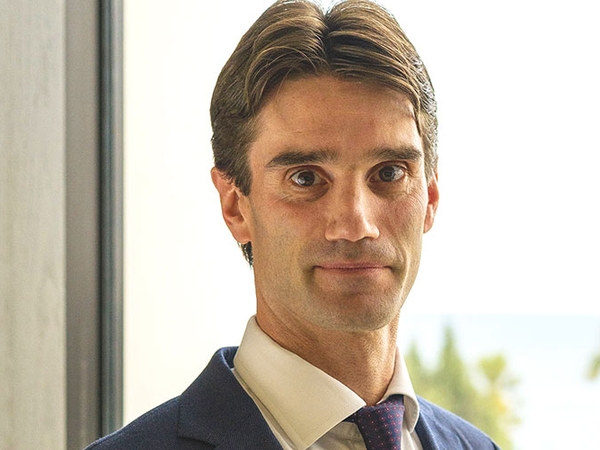
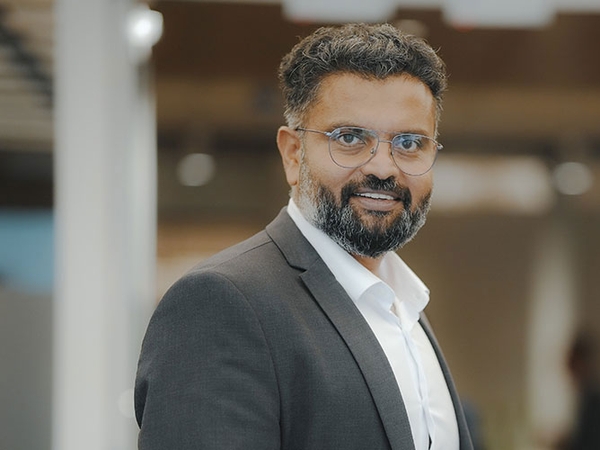
In that sense, today’s geopolitical tensions are not slowing the transition, but in some cases pushing it forward. “What we are seeing is not a slowdown in ambition, but a shift in momentum. Energy security concerns are reinforcing the case for alternative fuels, while also sharpening the focus on adaptability, flexibility and what works in practice,” Capt. Gurpreet Singh, Group General Manager, Training and Development at BSM, elaborates.

This shift can also be seen in the growing adoption of methanol as a marine fuel. Once considered a niche solution, methanol dual-fuel vessels are now firmly in the mainstream. By early 2026, more than 100 methanol-capable vessels were already in operation globally, with several hundred more on order. What began in the container segment is now extending into tankers and bulk carriers, signalling broader industry confidence.

However, for BSM as ship manager, these numbers tell only part of the story. The transition is not simply about installing new engines or ordering new tonnage. It is about ensuring that vessels can be operated safely and efficiently from day one. “Methanol changes the way a ship operates,” Capt. Singh explains. “If you want to protect your crew and your assets, training cannot be an afterthought. It must start well before delivery.”

Operational readiness versus engine technology

From a technical perspective, methanol presents several operational advantages including its clean combustion properties, liquid state at ambient temperatures and easy handling compared to cryogenic alternatives. For many owners, it represents a practical step towards lower emissions without the complexity associated with other alternatives.

However, technical feasibility does not eliminate operational risk. Methanol’s low flash point, its hard-to-detect flame, its toxicity if ingested, inhaled or absorbed, and its special combustion properties require safety precautions that differ significantly from those for conventional heavy fuel oil. These characteristics require adapted fuel systems, improved leak detection, revised firefighting procedures and updated risk assessment protocols.

“This is where operational readiness becomes critical. New fuels do not just change the engine room. They influence procedures across the entire vessel, from bunkering to emergency response. As a result, competence management is quickly becoming one of the most important safety levers in the decarbonisation journey,” Capt. Singh elaborates.

Building capability as the fleet grows

BSM’s response has been to invest early and at scale. As the company’s managed fleet of methanol dual-fuel vessels continues to grow, so do its efforts to develop crews and expand their capabilities.

The company already manages multiple methanol-capable vessels and has developed a dedicated Methanol Training Curriculum delivered across its global Maritime Training Centre network. These programmes are designed not only to address current operational needs, but also to anticipate future requirements. This is particularly important given that regulatory frameworks are still evolving.

Today, there is no fully established global standard for methanol training under the STCW Convention. Yet ships are already being built and delivered. This gap between regulation and reality is one of the defining challenges of the energy transition. BSM has chosen to address it head-on by aligning its training with emerging guidelines and maintaining close engagement with the International Maritime Organization to stay near the centre of decision-making.

“We cannot afford to wait for regulation to catch up. Our crews need to be ready now, not in five years. That is why we build our training around practical experience, existing guidance and continuous dialogue with regulators,” Capt. Singh notes.

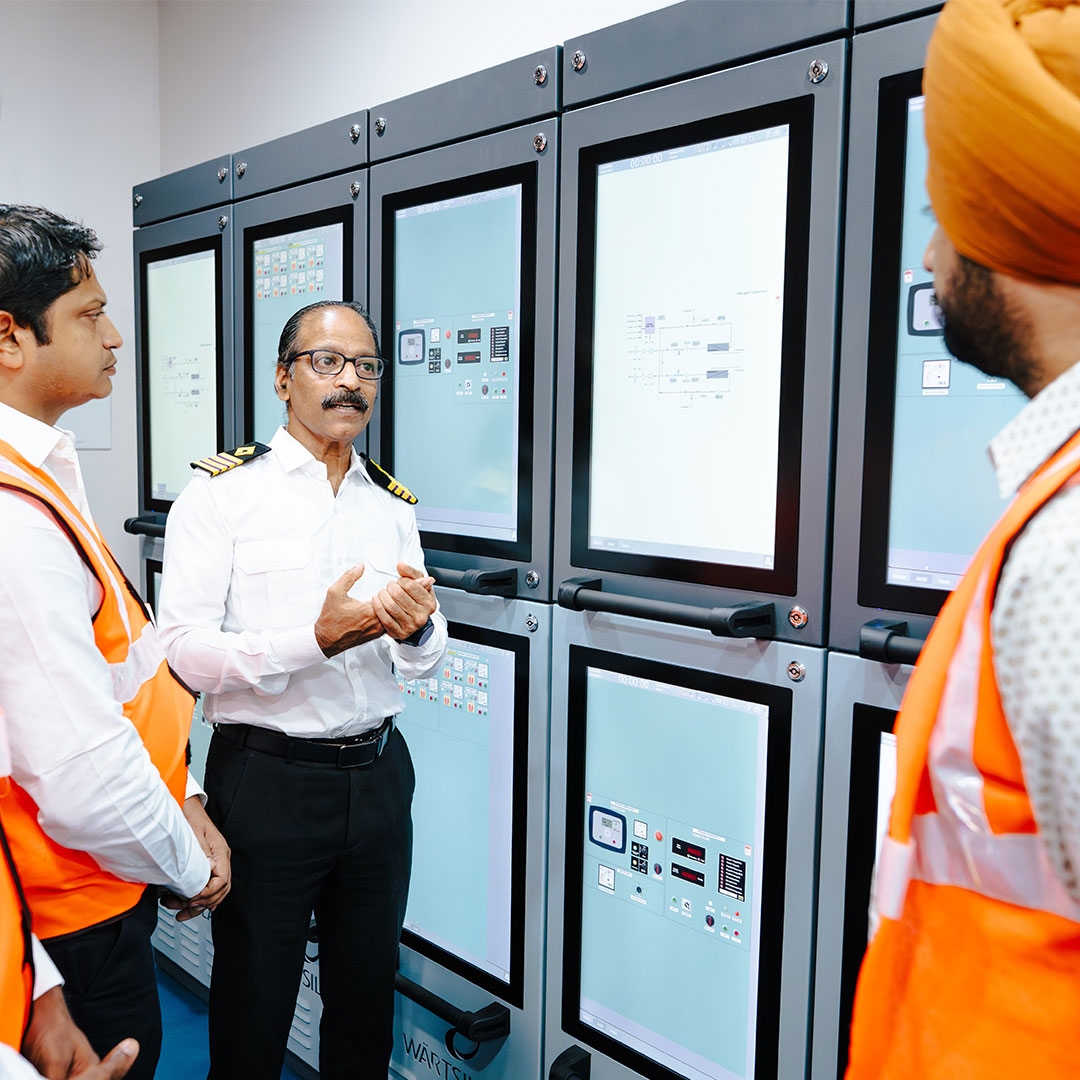
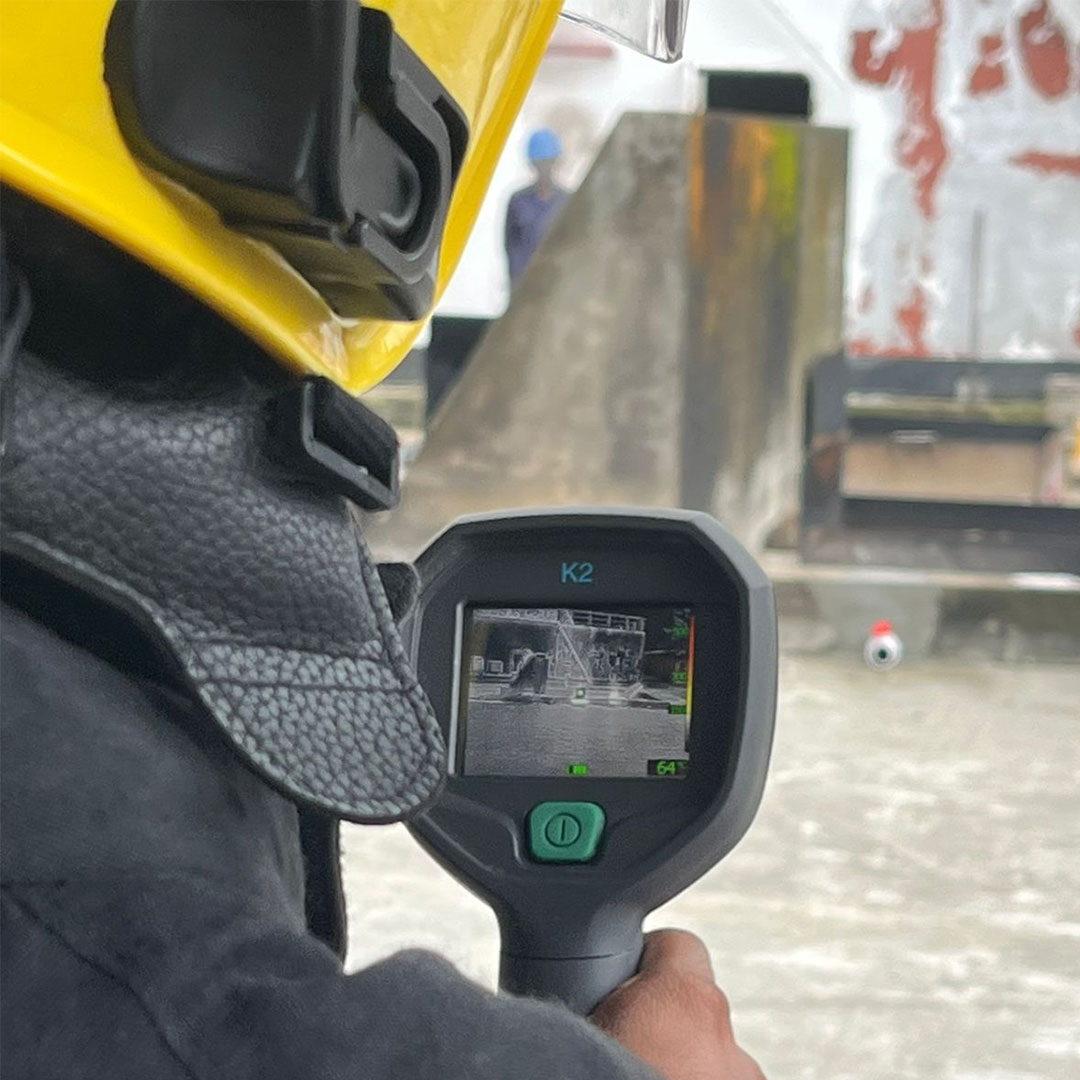
The training itself combines theory with hands-on application. For example, it includes a ‘Methanol Firefighting Course’, which prepares seafarers to handle the unique risks associated with methanol: its nearly invisible flame and lack of smoke when ignited. The course provides hands-on experience in identifying and managing such situations using infrared detection, alcohol-resistant foam, dry chemical powder, CO₂ systems, and water fog.

In addition, advanced bunkering simulators have been introduced at key training centres, allowing crews to practice real-life scenarios in a controlled environment. These investments reflect a broader commitment: ensuring that competence keeps pace with technology. So far, already more than 200 seafarers have successfully completed BSM’s methanol training programme.

From simulator to ship

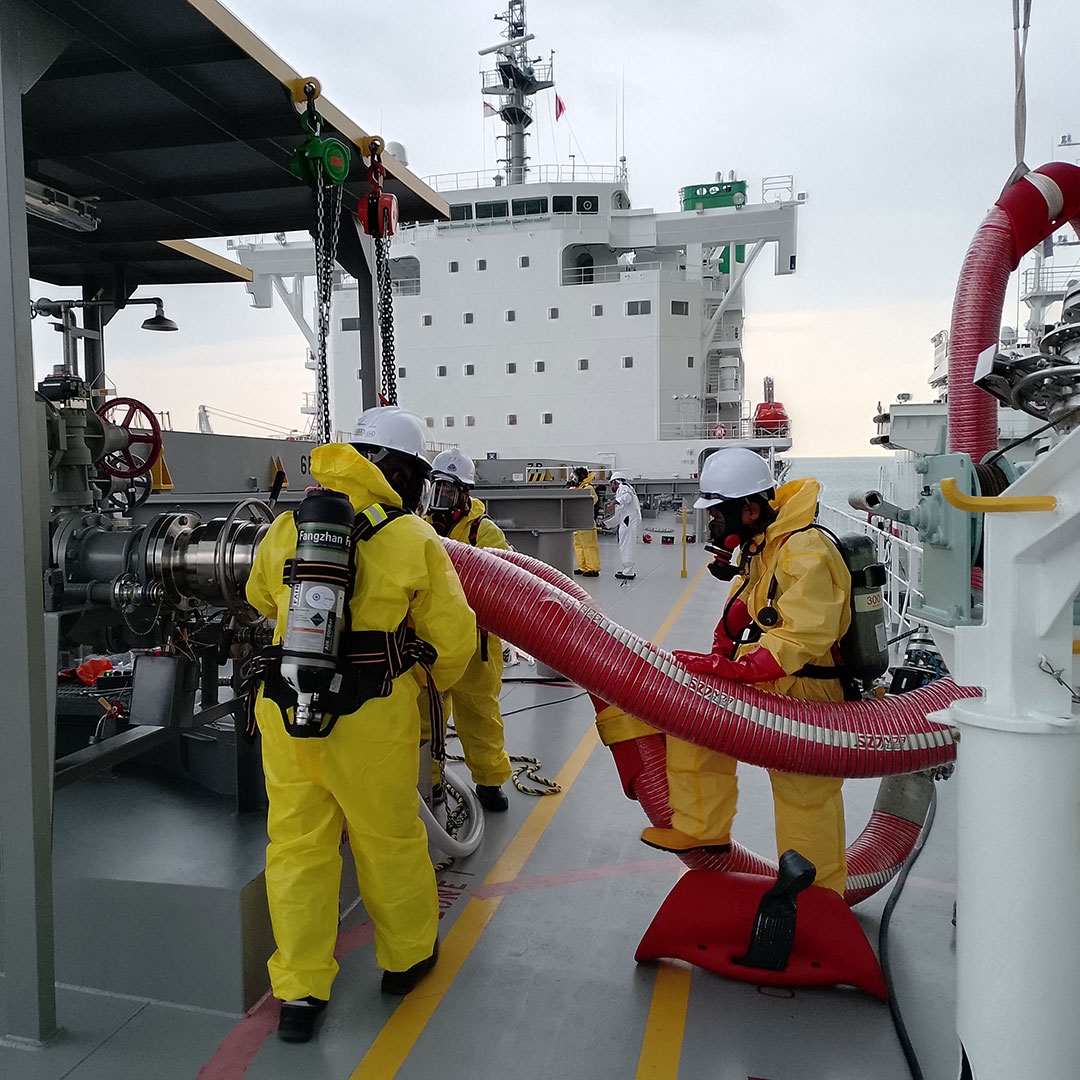
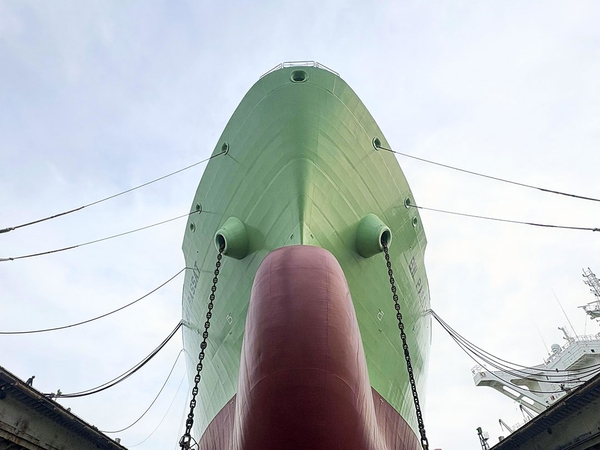
In January 2026, BSM welcomed the first methanol dual-fuel bulk carrier to its managed fleet. Following delivery, the vessel proceeded to Singapore for bunkering of 300 metric tonnes of bio-methanol. It was the first ship-to-ship (STS) bunkering operation for the supplier. Meticulously planned, stringent safety, risk assessment, and regulatory compliance measures were applied. Before the bunkering operation, the bunker supplier led a Hazard Identification/Hazard and Operability Study (HAZID/HAZOP) workshop. Participants in the workshop included representatives from BSM, the bunker supplier, owners, time charterer, and the local port state authority in its capacity as Port State Regulator. The workshop addressed hazard identification, risk mitigation measures, emergency response procedures, and operational controls specific to methanol bunkering. Port state authority representatives were also present on board throughout the process, ensuring transparency and strict compliance with regulatory standards.

Preparing for a multi-fuel future

While methanol is gaining momentum, BSM’s strategy extends beyond any single fuel. The future fuel landscape itself is still taking shape, with multiple pathways likely to coexist depending on trade routes, vessel types and regional infrastructure. In this evolving environment, BSM takes a fuel agnostic approach, focusing on operational readiness regardless of the energy source selected by owners.

Work is already underway to expand capabilities further. Plans for ammonia-related training and simulation are progressing, alongside continued development in LNG and methanol operations. This multi-fuel readiness is becoming essential as owners seek flexibility in an uncertain regulatory and commercial landscape.

At the same time, the human factor remains central. Advanced engines and fuel systems are only as effective as the people operating them. The shift towards alternative fuels brings added complexity and places greater responsibility on crews. It also increases the need for continuous learning and realistic training environments.

Turning strategy into operational reality

In this context, ship management is evolving into a strategic enabler of decarbonisation. BSM’s role goes beyond technical management. It includes supporting owners through regulatory complexity, performance monitoring and the practical challenges of operating new technologies at sea.

BSM’s fuel-agnostic approach allows it to support clients across different pathways, from methanol and LNG to future fuels such as ammonia. At the same time, its investment in training and simulation ensures that these pathways are not just theoretical, but operationally viable.

As Capt. Singh puts it, “The number of vessels adopting alternative fuels and new propulsion technologies is growing quickly, but the real question is whether they can be operated safely and efficiently from the first voyage. That is where experience, training and preparation make the difference.”

RELATED BSM Highlights

Smart connectivity: powering ship performance at sea

High‑speed, reliable internet connectivity onboard is sometimes still perceived as a “nice to have”. In reality, this view significantly underestimates its impact. In an increasingly digital maritime industry, connectivity has become a core operational asset. For shipowners, it directly underpins safe operations, efficiency, transparency, and long‑term competitiveness.

Mentoring for performance: how BSM’s Cadet Programme delivers long-term value for owners

As the maritime industry navigates rapid technological change, rising regulatory expectations and an increasingly complex operating environment, one thing is clear: safe and efficient operations depend on well‑trained, confident and motivated seafarers. At BSM, this belief is shaping the advancement of its Cadet Programme, with a strong emphasis on support, guidance and mentoring.

Expanding into the extremes: BSM Cruise Services and expedition ship management

While demand for expedition cruising continues to grow, operating vessels in some of the world’s most remote and environmentally sensitive regions is becoming increasingly complex. Shipowners in this segment require far more than traditional cruise ship management; they need partners with proven experience in polar operations, advanced logistics, adherence to the strictest regulations and specialised crew preparedness.