Advances in AI and smart tech have boosted vessel performance, sped up operations and enhanced decarbonisation efforts, resulting in shorter port stays and smaller crews. At the same time, new fuels and complex regulations - especially concerning decarbonisation - have increased ship management challenges. All these factors impact seafarers’ lives.

“Today, seafarers must be resilient supermen and wonder women, mentally strong team players, comfortable making decisions, prepared to be away from home for months - and certainly tech savvy,” says Eva Rodriguez, HR Marine Director at Bernhard Schulte Shipmanagement (BSM).

“To appeal to new generations, more than competitive pay is needed. Attracting and retaining Millennial and Centennial talent requires an understanding of their evolving priorities and values. The profession must adapt to offer the sought-after flexibility that resonates with young people. As an industry, shipping must cultivate a truly engaging work environment - one that is shaped by a range of factors.”

Enhance seafarers’ status: improve global working conditions

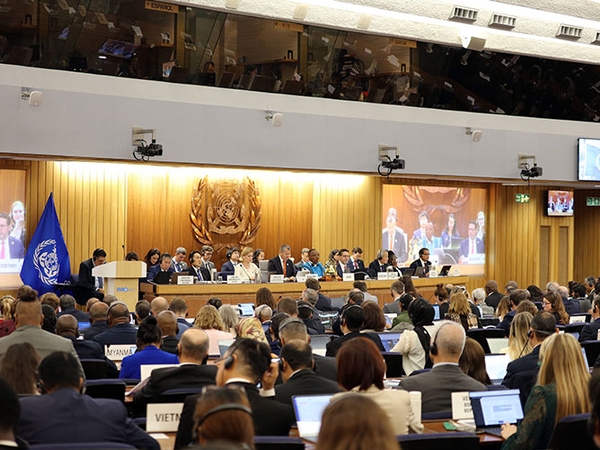
Seafaring is inherently international, so regulation of working conditions and rights must be increasingly coordinated globally. The 2025 amendments to the Maritime Labour Convention (MLC) address a broad range of issues including the recognition of seafarers as key workers, improved protections against shipboard violence and harassment, enhanced access to shore leave and repatriation and updated medical and occupational safety standards. “BSM welcomes these amendments,” Rodriguez emphasises. “We hope for full global implementation by 2027.”

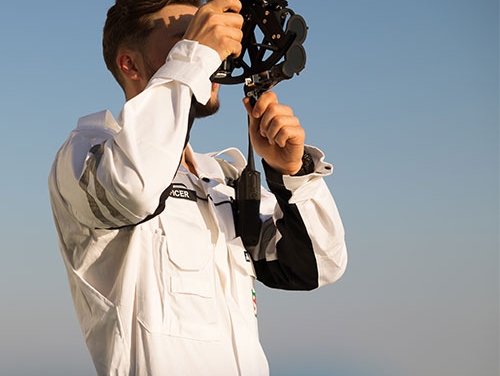
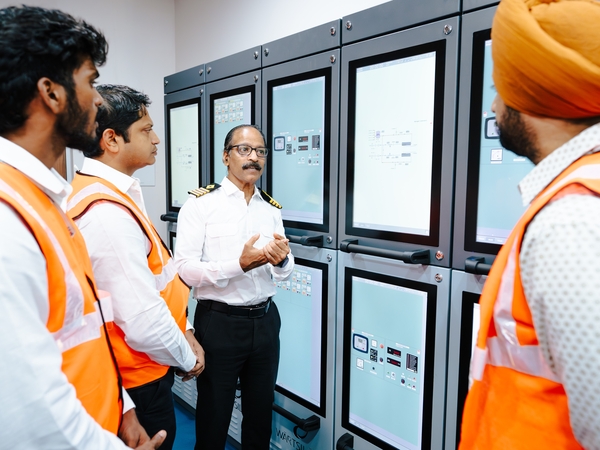
Today, seafarers must be resilient, mentally strong team players, comfortable making decisions, prepared to be away from home for months - and certainly tech savvy. © BSM
Embrace technology: provide modern workplaces

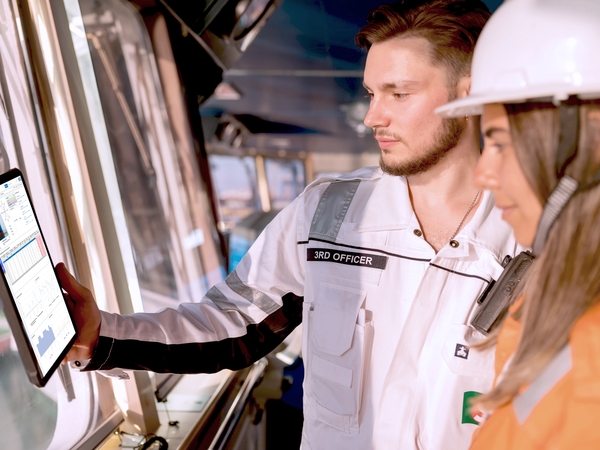
While some may fear that AI and automation threaten jobs, they do actually the opposite. Modern demands for workload, quality and compliance continually grow and seafarers require modern tools and systems to be able to master the evolving requirements. Technology is essential to the industry’s future, serving as an indispensable support for crews.

Digitalisation and AI facilitate functions like data monitoring, planned maintenance and electronic logbooks. “At BSM, many of these functions are integrated modules of our smartPAL ship management software, streamlining daily operations and easing the lives of seafarers,” explains Rodriguez.

Furthermore, maritime satellite connectivity is steadily improving internet access at sea. More vessels now have broadband satellite services such as VSAT and low Earth orbit (LEO) systems, increasingly enabling connectivity even in remote ocean regions. This enhances crew welfare by improving communication with families, access to entertainment, and telemedicine services.

Empower crews: train smartly, listen carefully

In Industry 4.0, human decisions remain central to operations, and even the most advanced technology is effective only if crews are skilled in its use. There is a constant need for training across many areas, requiring investment of time from seafarers. They must stay up to date not only with their digital and technological proficiency but also ensure environmental compliance, focus on energy management, and adapt to evolving safety and emergency response measures.

“Our training adopts a holistic approach, combining content and technical skills with the development of soft skills,” Rodriguez explains. “This helps seafarers build the confidence to operate safely, particularly in uncertain times. We place special emphasis on leadership skills, which have historically often been overlooked, including emotional intelligence, cognitive ability and resilience.”

To make the most efficient use of seafarers’ limited spare time, BSM’s Competence Management System assesses individual training needs - including the adoption of new fuels - and tailors the training content accordingly. Modular e-learning enables crew members to learn at their own pace.

Traditionally, shore-based teams made decisions affecting life and work at sea. “We encourage our seafarers to take an active role in decision-making, for example when it comes to processes and wellbeing on board,” says Rodriguez. “This not only results in more efficient operations but also creates a sense of recognition and belonging among the crew.”

Grow talent: offer perspective

BSM invests heavily in education and career development. “Our Cadet Programme combines foundational courses with 12 months onboard, supported by mentorship to Junior Officer levels,” Rodriguez states. “Our Smart Academy partners with maritime universities worldwide to bridge the gap between theory and practice. Our Sea to Shore Programme offers career transitions into shore-based roles, providing seafarers with more flexibility.”

Think global, act local: welcome diversity

Seafaring is not for everyone, but supporting those with the drive to succeed is vital. Rodriguez highlights: “We aim to increase female representation through out Cadet and Smart Academy programmes and dedicated mentoring.”

While traditional hubs like the Philippines and India remain key recruitment sources, expanding into emerging markets – such as Ghana, Mexico, Venezuela, Peru, Egypt and South Korea – broadens the talent pool and capacity. “Wherever we operate, we focus on fair, inclusive and equitable conditions and foster a culture that values wellbeing as much as performance,” Rodriguez notes.

Thanks to these efforts, BSM’s crew represents a wide range of cultures and ethnicities, maintaining a retention rate of 94%.

Seafaring is not a career for everyone. “Actually, it has never been”, adds Rodriguez. “But it can definitely offer purpose and a rewarding career for those who are drawn to a truly global and highly relevant industry that keeps world trade moving for consumers worldwide. And that is: for all of us.”
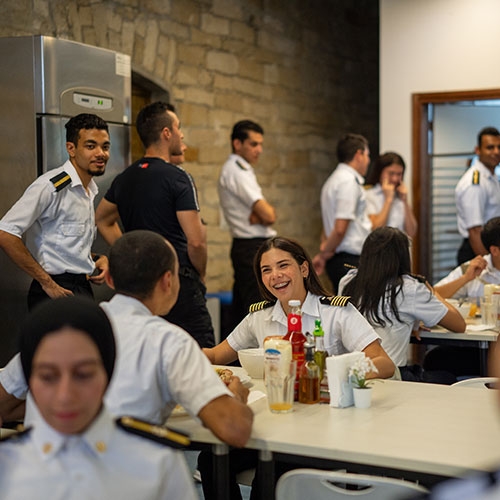
Cadets taking a break at the Maritime Training Centre in Limassol © BSM

Eva Rodriguez

Director - HR Marine

Contact
DO YOU HAVE QUESTIONS?

E-mail the expert.

RELATED BSM Highlights

Lost in signal: The challenge of GNSS disruptions

Satellite navigation has become an integral part of everyday life, supporting everything from mobile mapping to secure banking. While these systems are generally dependable, incidents of signal interference and manipulation are on the rise. If a misplaced navigation dot is an annoyance on land, the same failure at sea can quickly become a frontline operational challenge, testing not only the resilience of a ship’s systems, but also the capabilities of its crew.

Empowering seafarers for a multi-fuel future

As the maritime industry navigates its course toward lower emissions, a range of alternative fuels is reshaping how ships are powered. But the shift to new fuels is more than a technical change — it is a human one. Ensuring that seafarers are properly trained to handle, operate, and manage alternatively powered vessels is key to securing a smooth transition to the fuels of the future. Bernhard Schulte Shipmanagement prepares its crew to power tomorrow’s ships through comprehensive training programmes.