As the maritime industry accelerates its transition toward cleaner energy solutions, one thing has become clear: the path to decarbonisation depends as much on people as it does on technology. While shipowners and engine manufacturers innovate rapidly to accommodate alternative fuels, it is the seafarers at sea who will make these advances safe, reliable, and effective.

“Decarbonisation is more than a technological transition—it’s a people transformation,” said Capt. Gurpreet Singh, Group General Manager, Training and Development at Bernhard Schulte Shipmanagement (BSM). “New fuels bring new ways of working. As ship manager, our role is to ensure all our seafarers feel equipped, confident, and safe when handling them. Change can be complex, but with the right training, it becomes opportunity.”

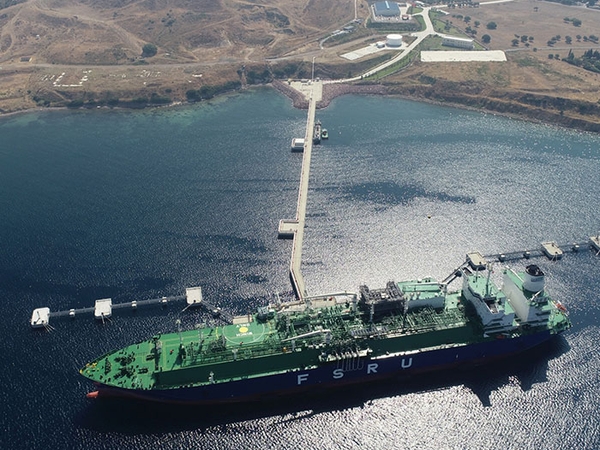
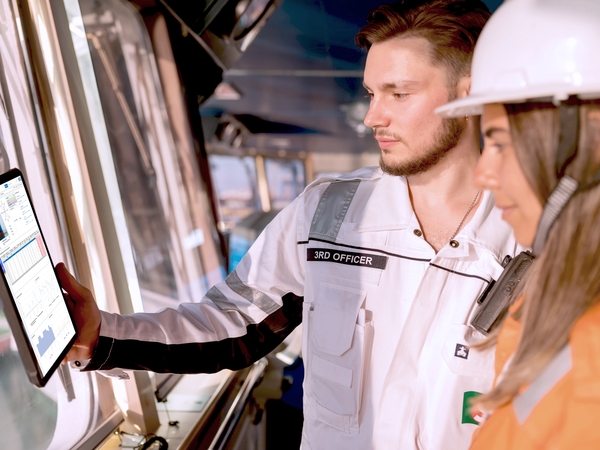
As the shipping industry transitions to alternative fuels, BSM is pioneering crew training programmes that equip seafarers with the expertise to navigate this new era safely and efficiently. © BSM
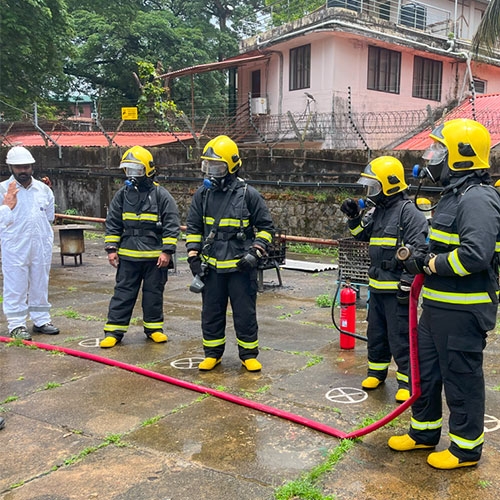
BSM offers seafarers hands-on methanol firefighting training to enhance safety readiness and emergency response skills at sea. © BSM
Pioneering training for a new generation of fuels

Every alternative fuel brings its own operational and safety considerations. To ensure crews are fully prepared, BSM is constantly enhancing its comprehensive training programmes, addressing the practical realities of handling such fuels.

For example, BSM’s bespoke ‘Methanol as Fuel Courses’, including a specialised firefighting module, are now offered across its global network of Maritime Training Centres (MTCs). Developed in collaboration with key industry partners, the courses address the current absence of formal STCW standards for methanol and similar fuels. They align with emerging IMO guidelines and anticipate future updates to the STCW Convention and IGF Code, ensuring that seafarers are well ahead of the regulatory curve.

Tackling the invisible flame

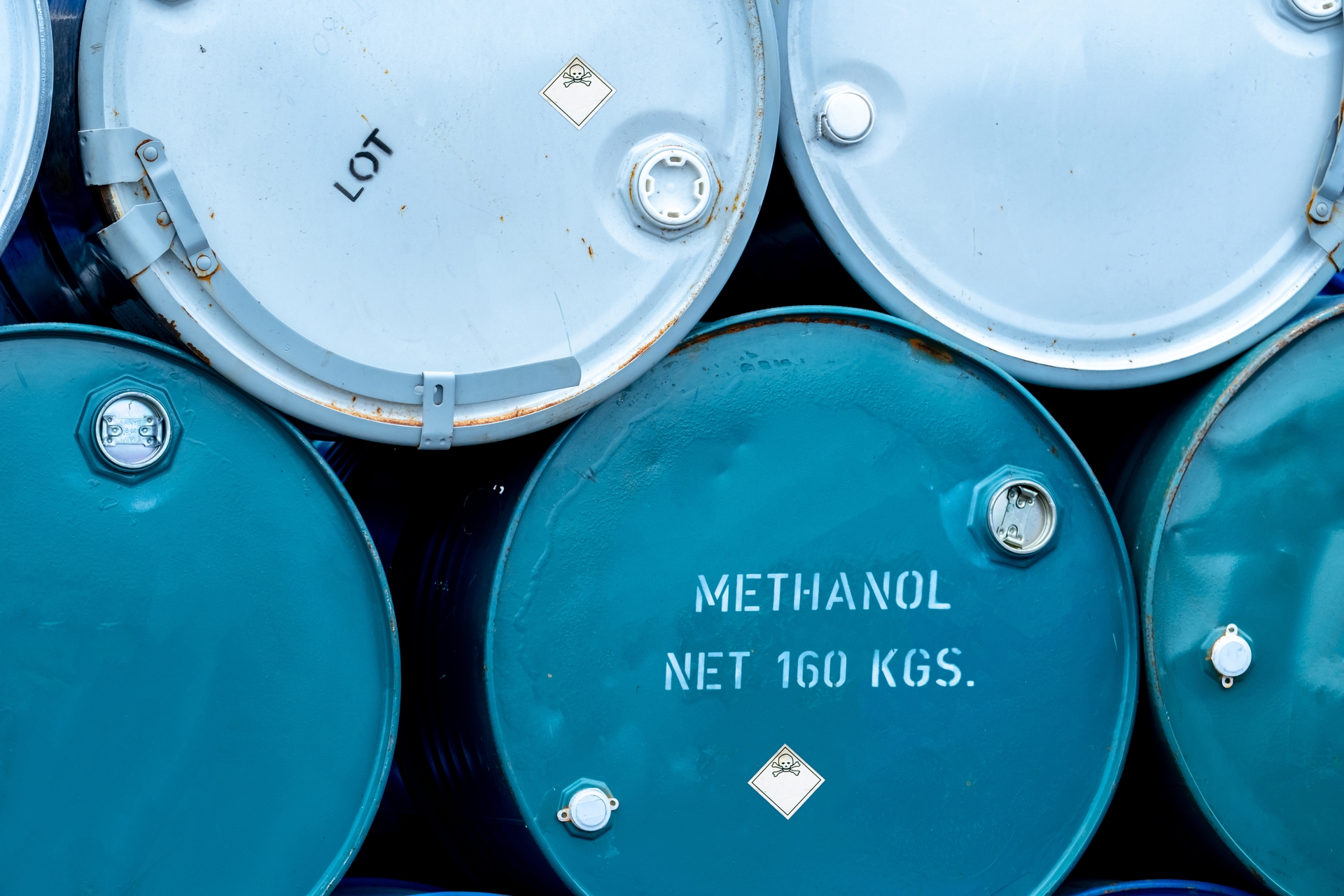
One highlight of the training initiative is the ‘Methanol Firefighting Course’, which prepares seafarers to handle the unique risks associated with methanol: its nearly invisible flame and lack of smoke when ignited. The course provides hands-on experience in identifying and managing such situations using infrared detection, alcohol-resistant foam, dry chemical powder, CO₂ systems, and water fog.

Watch how BSM crew practices methanol firefighting techniques, enhancing safety and emergency preparedness for alternative fuels

Learning without risk

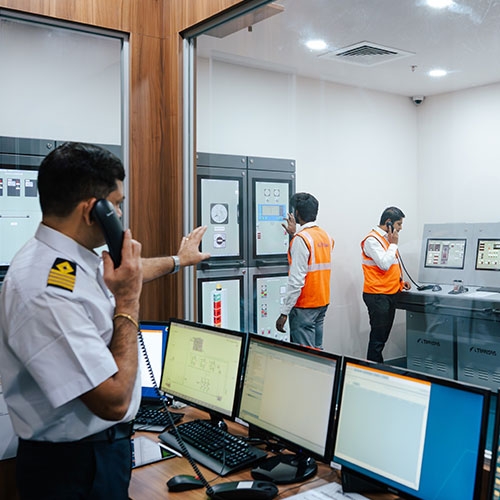
To further strengthen learning outcomes, BSM has launched its first Methanol Bunkering Simulator at the Maritime Training Centre in Kochi, India. The simulator replicates a methanol fuel system in detail—from bunkering stations and nitrogen systems to automation, alarms, and emergency shutdown procedures—allowing trainees to manage real-life scenarios in a safe, risk-free environment.

The simulator in Kochi is just the beginning. By the end of 2025, two additional simulators will be commissioned in Poland and the Philippines, expanding access to this state-of-the-art training. In the second quarter of 2026, an ammonia bunkering module will be introduced in Kochi, completing BSM’s comprehensive portfolio for LNG, methanol, and ammonia.

“The goal across all courses is to build seafarers’ confidence and ensure quick, correct action when it matters most,” Capt. Singh explained. “Our courses are designed to turn unfamiliar fuels into familiar territory. By combining hands-on firefighting practice with simulator-based operations, we give seafarers the muscle memory and confidence to act decisively. When they step aboard a methanol-fuelled vessel, they already know what to expect.”
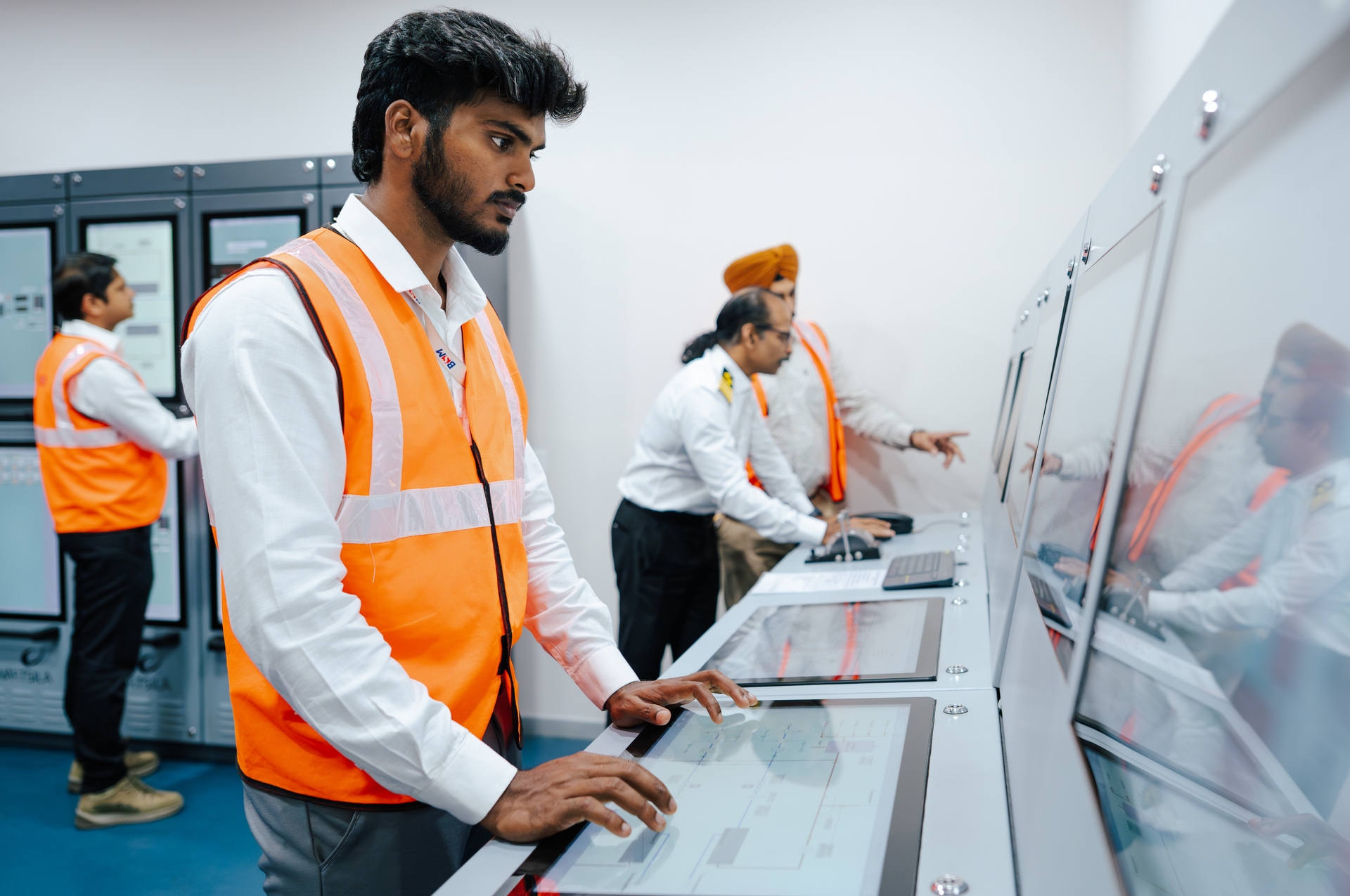
Seafarers are already training on methanol fuel operations, using the newly installed methanol bunkering simulator at BSM’s MTC in Kochi. A simulator for ammonia bunkering will follow soon to further support practical training. ©BSM
Training the trainers

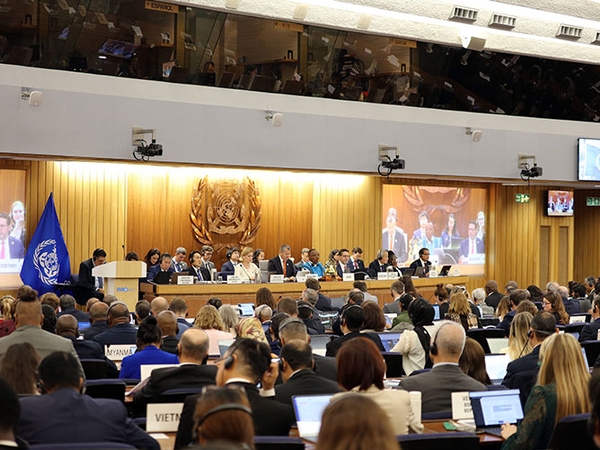
Behind every successful training programme are knowledgeable instructors. BSM sent trainers to participate in sea trials and bunkering operations aboard methanol-fuelled vessels, ensuring they gain important first-hand experience. Further, the ship manager invests in developing its own faculty through the Train-the-Trainer Programme on Alternative Fuels for Sustainable Shipping, organised by the IMO and the World Maritime University (WMU) in Shanghai. This ensures BSM’s instructors remain aligned with international best practices and fully equipped to deliver consistent, high-quality instruction in methanol and ammonia operations under the IGF Code.

Preparing for a multi-fuel future

The adoption of alternative propulsion technologies in shipping continues to accelerate and is increasingly reflected in the fleet managed by BSM. The company’s investment in alternative-fuel training mirrors this evolution. By combining simulator-based instruction, targeted firefighting training, and a strong “train-the-trainer” framework, BSM is ensuring its seafarers are not just keeping pace with change but leading it.

BSM training programme for alternative fuels

  • Basic Training for Service on Ships Subject to the IGF Code (STCW) (2 days): This course is aimed at all seafarers with designated safety responsibilities and duties associated with the care and response to emergencies about LNG and other low flashpoint fuels onboard ships subject to the IGF Code. This course is mandatory for all seafarers with designated safety duties associated with the care and use of fuel and fuel systems on vessels associated with the IGF Code and prerequisite for courses on methyl/ethyl alcohol and ammonia
  • Advanced Training for Service on Ships Subject to the IGF Code (STCW) (5 days): This course is aimed at Masters, Engineering Officers and any personnel who have immediate responsibility for making decisions concerning the handling of fuels subject to the IGF Code, and for the care and use of fuel and fuel systems on vessels associated with the IGF Code. It is prerequisite for courses on methyl/ethyl alcohol and ammonia.
  • Methanol as Fuel Familiarisation Course (2 days): An introductory course to familiarise seafarers with the fundamental concepts of using methanol as fuel, its characteristics, and standard safety procedures. This course is aimed at all crew, except galley staff.
  • Methanol as Fuel Firefighting Course (1 day): A specialist course for all crew to cover the special challenges and methods of prevention and fighting methanol fires, preparing crew for situations in emergency operations.
  • Advanced Methanol as Fuel Course (3 days): This training course is hands-on and practical. Aimed specifically at masters, chief officers, engine officers and motormen, it involves vital bunkering procedures and advance simulator training to equip crew with experience for complex operations.

Courses for ships with Ammonia as fuel will start in November 2025.

BSM’s training framework is aligned with STCW.7 circular “Generic interim guidelines on training for seafarers on ships using alternative fuels and new technologies” and applicable to officers and ratings.

For more information, please visit the BSM Maritime Training Centre website.

Capt. Gurpreet Singh

Group General Manager for Training and Development at BSM

Contact
DO YOU HAVE QUESTIONS?

Please contact our Group General Manager for Training and Development at BSM.

RELATED BSM Highlights

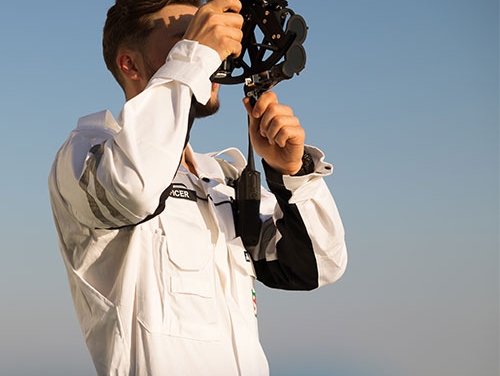
Lost in signal: The challenge of GNSS disruptions

Satellite navigation has become an integral part of everyday life, supporting everything from mobile mapping to secure banking. While these systems are generally dependable, incidents of signal interference and manipulation are on the rise. If a misplaced navigation dot is an annoyance on land, the same failure at sea can quickly become a frontline operational challenge, testing not only the resilience of a ship’s systems, but also the capabilities of its crew.

Is seafaring still attractive?

Since the steam engine era, society has progressed through the technological and digital revolutions. Today, Industry 4.0 offers near-limitless access to knowledge and a vast network of connected devices. Products or services seem only one click away. But as long as sci-fi ‘beaming’ technology remains fiction, maritime transport will continue to carry most goods, keeping seafarers at the heart of global trade. But is seafaring still attractive?