In 2008, BSM was formed through the merger of four ship management companies. This consolidation brought together Ship Management, Crew Service and Maritime Training Centres across the globe. With integration came also the challenge of uniting multiple processes and accounting structures under a single framework. This marked the birth of smartPAL as BSM’s in-house ship management software and Enterprise Resource Planning (ERP) platform.

The development of the PAL system also paved the way for MariApps Marine Solutions, the Schulte Group’s dedicated maritime software company and digital partner. Today, MariApps owns and continuously advances smartPAL in close collaboration with BSM and the Group’s ship owning arm. As a result, more than 4,500 vessels worldwide—including all BSM-managed ships—benefit from this integrated approach

The driving force behind innovation

Initially designed to meet BSM’s internal requirements, smartPAL’s evolution has been driven by customer feedback, which quickly became its real engine of innovation.

Flexibility: The first major customisation was to make the system adaptable enough to handle the complexities of individual owner-manager relationships, while still supporting internal approval and reporting structures.

Single log-in: Originally, users had to access multiple platforms such as Vessel Mate, Shipmate, Purchase Mate and Accounts Mate, often entering the same data repeatedly. With the introduction of one unified platform with single-sign-on access, the different modules finally started talking to each other which set the foundation for streamlined operations.

Fully web-based access: When many shipping companies were still relying on desktop-based or spreadsheet systems, BSM made a major leap forward. In 2014, it launched the Customer Web Access (CWA), followed by its relaunch as LiveFleet in 2017 and the roll-out of the LiveFleet mobile app in 2019. This move eliminated the need for local software installations and offered global accessibility from any device. LiveFleet quickly became one of the most transformative innovations.
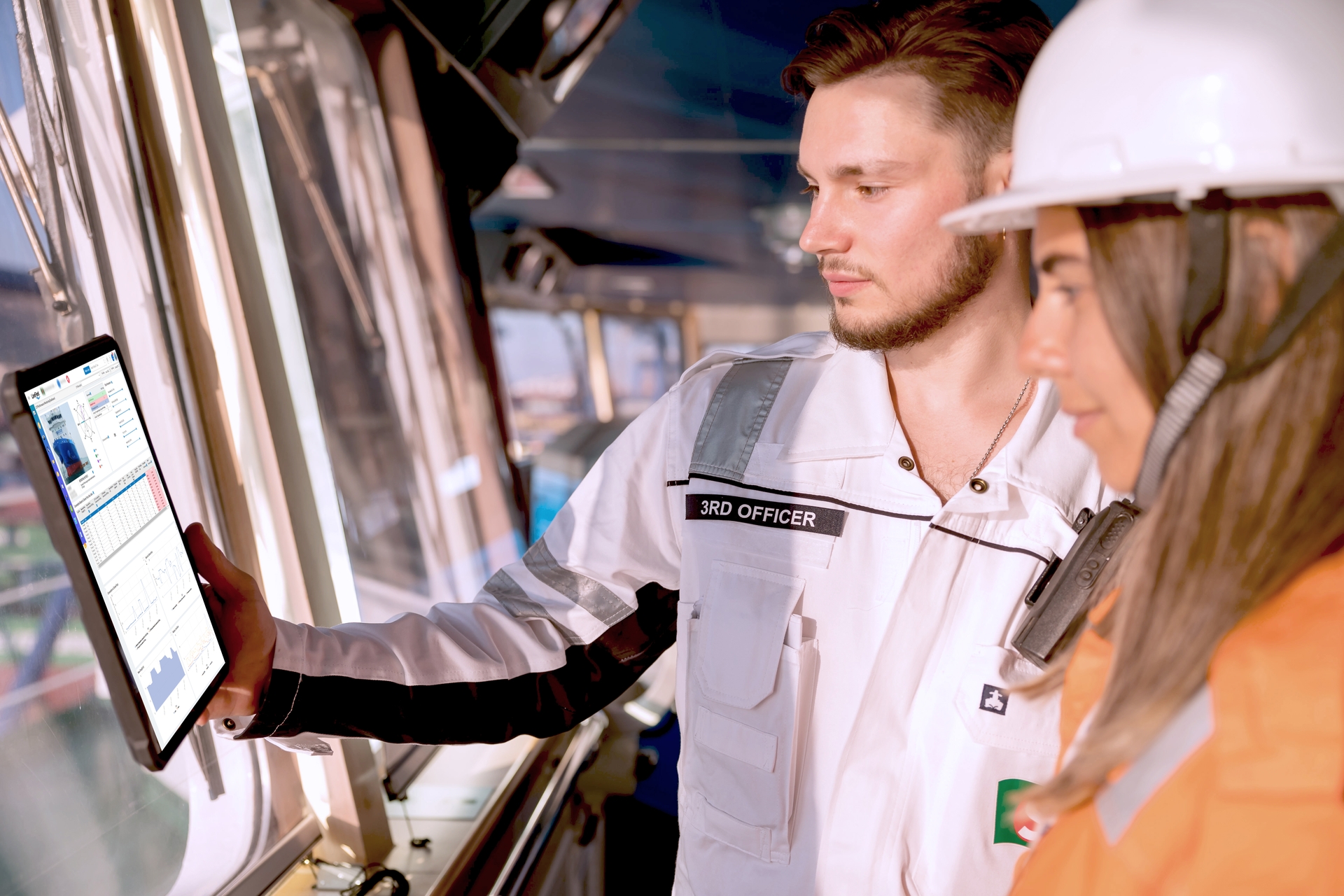
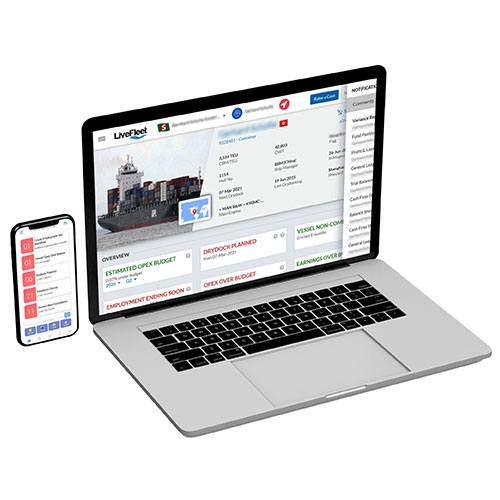
One single source of truth accessible via LiveFleet © BSM
Configurability and flexibility: tailor workflows, approval processes and dashboards © BSM
What do clients value most about PAL?

Building on its initial ship management functions - financial reporting, crewing, maintenance, procurement, and accounts - smartPAL has steadily expanded to include chartering, performance monitoring and data analytics modules. This has turned it into a fully integrated, digital and fleet-wide ecosystem supporting mobile, cloud as well as regulatory and performance needs.

Among the benefits clients value most:

  • One gateway for all: Through LiveFleet, clients have one fully integrated platform to access smartPAL-sourced data eliminating the need for different systems and spreadsheets.
  • One single source of truth: Global connectivity allows for close ship-to-shore cooperation. With mobile cloud access, owners, vessel crews and shore teams share the same real-time data. This enhances transparency, supports faster decision-making and strengthens competitive advantage.
  • Configurability and flexibility: Rather than forcing users into a fixed template, clients can tailor workflows, approval processes and dashboards to match their way of managing operations.
  • Scalability: smartPAL is built to accommodate complexity and manage large and growing fleets with equal efficiency.
  • Regulatory and operational efficiency support: Automated reporting and streamlined data flows reduce human error, enhance uptime and support regulatory compliance.
  • Efficient vendor and supply chain integration: PAL’s procurement modules connect directly to B2B platforms, allowing management of vendor contracts, inventory forecasting and end-to-end automation, e.g. invoice-to-payment or e-procurement integration.

What’s next?

smartPAL remains a living platform that will evolve as clients keep engaging by requesting new features such as advanced analytics and predictive maintenance or deeper insights into emissions and charter performance.

As the maritime sector accelerates its digital transformation, smartPAL stays committed to evolving alongside it—driven by collaboration and guided by MariApps’ innovation—to ensure lasting value for ship owners and managers alike.

“I’ve been using PAL for over seven years and I am pleased with how much it has advanced. As owners, having direct access to crewing, financial, safety and technical data saves us time and reduces the need for back-and-forth with the ship manager. I especially value the financial statements function, which stores all invoices and data in one place and supports our management reports and projections. We truly appreciate the ongoing improvements that continue to enhance the user experience.”

Client of BSM Singapore

LiveFleet: Your gateway to smartPAL at a glance

  • A single, customisable platform for BSM clients that mirrors operational data from smartPAL
  • Accessible on both mobile and desktop
  • Included in BSM’s ship management contracts
  • Seamless, secure integration with existing IT systems
  • Direct access to BSM’s global support team
  • Provides full transparency, 24/7, into:
  1. Financial reporting and analysis: Real-time insights into OPEX and budget variances
  2. Vessel position: Live tracking and port call history
  3. Crewing: Central repository of crew details and documents
  4. Maintenance reporting: Visibility into critical spares and equipment maintenance
  5. Ship certificates: Centralised recordkeeping and expiry monitoring
  6. Voyage overview: Data on trade, fuel consumption and cargo operations, including environmental impact
  7. Operational performance: All key metrics in one consolidated view
  8. Performance overview: Historical and predictive analytics for optimal maintenance planning
  9. Fuel consumption and Carbon Intensity Indicator (CII): Performance tracking and compliance monitoring
  10. CII Calculator: Predictive and analytical tools for proactive decision-making
  11. CII Predictor: Forecasting of CII ratings to identify the best operational profile
  12. EU ETS: Overview of emissions declarations and outstanding balance management
  13. FuelEU Maritime: Insights and tools to ensure compliance and improve energy efficiency decisions
  14. Charter Party monitoring: Automated tracking of vessel performance against charter party terms

Sankar Ragavan

BSM Chief Digital Officer

Contact
DO YOU HAVE QUESTIONS?

E-mail the expert.

RELATED BSM Highlights

Lost in signal: The challenge of GNSS disruptions

Satellite navigation has become an integral part of everyday life, supporting everything from mobile mapping to secure banking. While these systems are generally dependable, incidents of signal interference and manipulation are on the rise. If a misplaced navigation dot is an annoyance on land, the same failure at sea can quickly become a frontline operational challenge, testing not only the resilience of a ship’s systems, but also the capabilities of its crew.

Empowering seafarers for a multi-fuel future

As the maritime industry navigates its course toward lower emissions, a range of alternative fuels is reshaping how ships are powered. But the shift to new fuels is more than a technical change — it is a human one. Ensuring that seafarers are properly trained to handle, operate, and manage alternatively powered vessels is key to securing a smooth transition to the fuels of the future. Bernhard Schulte Shipmanagement prepares its crew to power tomorrow’s ships through comprehensive training programmes.

Is seafaring still attractive?

Since the steam engine era, society has progressed through the technological and digital revolutions. Today, Industry 4.0 offers near-limitless access to knowledge and a vast network of connected devices. Products or services seem only one click away. But as long as sci-fi ‘beaming’ technology remains fiction, maritime transport will continue to carry most goods, keeping seafarers at the heart of global trade. But is seafaring still attractive?