The IMO’s recent decision to postpone adopting the Net Zero Framework has deepened uncertainty, delayed certain clean fuel initiatives and undermined investment confidence for ship owners waiting to invest in new ships. At the same time, the EU’s FuelEU Maritime regulation and other regional rules press ahead, spotlighting the lack of global consensus and coordination on decarbonisation efforts.

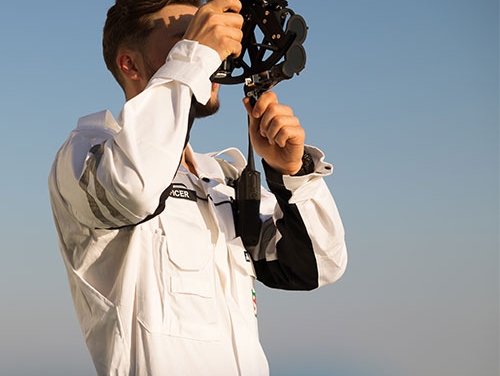
Geopolitical conflicts, particularly along critical routes such as the Red Sea, have increased rerouting costs, raised risks and continue to test crew resilience. In this context, one of the challenges is the rise in satellite signal interference, also known as jamming, which threatens navigational safety and communications.

As other industries rapidly expand in emerging markets, attracting the next generation to seafaring careers has become more demanding and competitive. The shipping sector must ensure attractive and supportive working environments.

At the heart of navigating all these challenges lies the fundamental necessity for safety. Safety of our colleagues at sea, safety of our people ashore, safety of the vessels entrusted into our management.
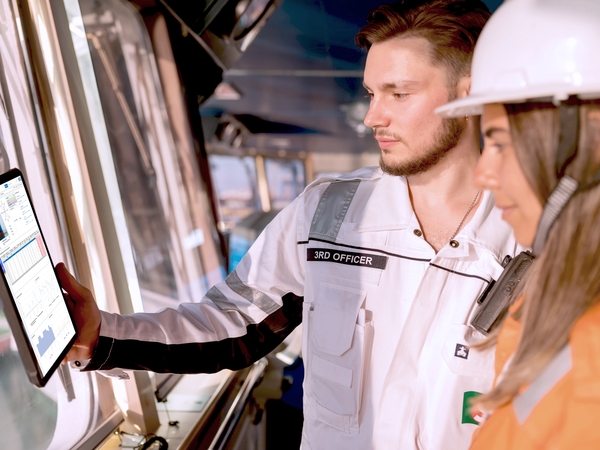
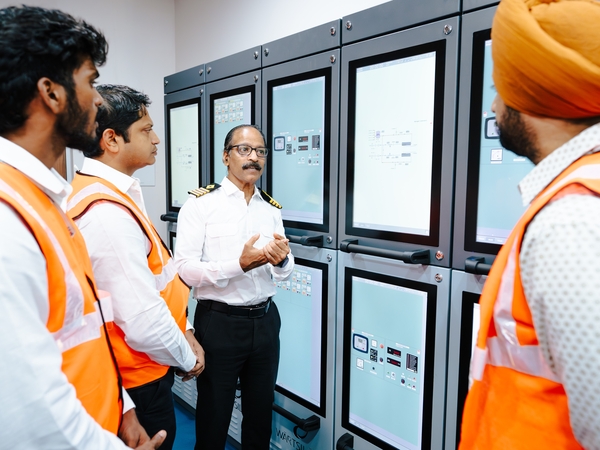
It is precisely in these uncertain times that we must reassert our direction and purpose. Studies show that human factors contribute to approximately 70% to 96% of safety incidents in shipping. Safe operations clearly begin with people’s safety which is achieved through compliance with our procedures, strengthened by training and sustained through continuous mentorship.

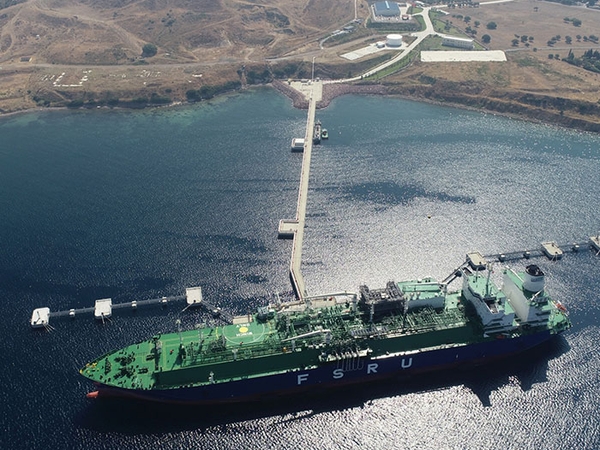
For us at BSM, these times are a reminder to reaffirm our commitment to safe operations, where the safety of people and assets go hand in hand. Protecting our clients’ vessels depends on continuously prioritising and investing in the competence and wellbeing of our people—now even more so as we manage the safe operations of new fuels.

Sincerely,

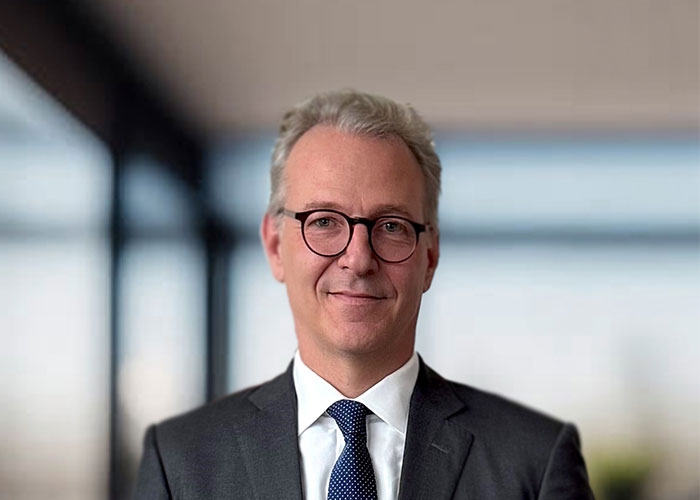
Sebastian Hardenberg

Chief Executive Officer
Bernhard Schulte Shipmanagement

RELATED BSM Highlights

Lost in signal: The challenge of GNSS disruptions

Satellite navigation has become an integral part of everyday life, supporting everything from mobile mapping to secure banking. While these systems are generally dependable, incidents of signal interference and manipulation are on the rise. If a misplaced navigation dot is an annoyance on land, the same failure at sea can quickly become a frontline operational challenge, testing not only the resilience of a ship’s systems, but also the capabilities of its crew.

Empowering seafarers for a multi-fuel future

As the maritime industry navigates its course toward lower emissions, a range of alternative fuels is reshaping how ships are powered. But the shift to new fuels is more than a technical change — it is a human one. Ensuring that seafarers are properly trained to handle, operate, and manage alternatively powered vessels is key to securing a smooth transition to the fuels of the future. Bernhard Schulte Shipmanagement prepares its crew to power tomorrow’s ships through comprehensive training programmes.

Is seafaring still attractive?

Since the steam engine era, society has progressed through the technological and digital revolutions. Today, Industry 4.0 offers near-limitless access to knowledge and a vast network of connected devices. Products or services seem only one click away. But as long as sci-fi ‘beaming’ technology remains fiction, maritime transport will continue to carry most goods, keeping seafarers at the heart of global trade. But is seafaring still attractive?